
Perfectionism
Perfectionism is a concept that evokes many thoughts and is often associated with people who strive for the very best results. It involves setting high standards for oneself – sometimes so high that they exceed what the situation actually requires.
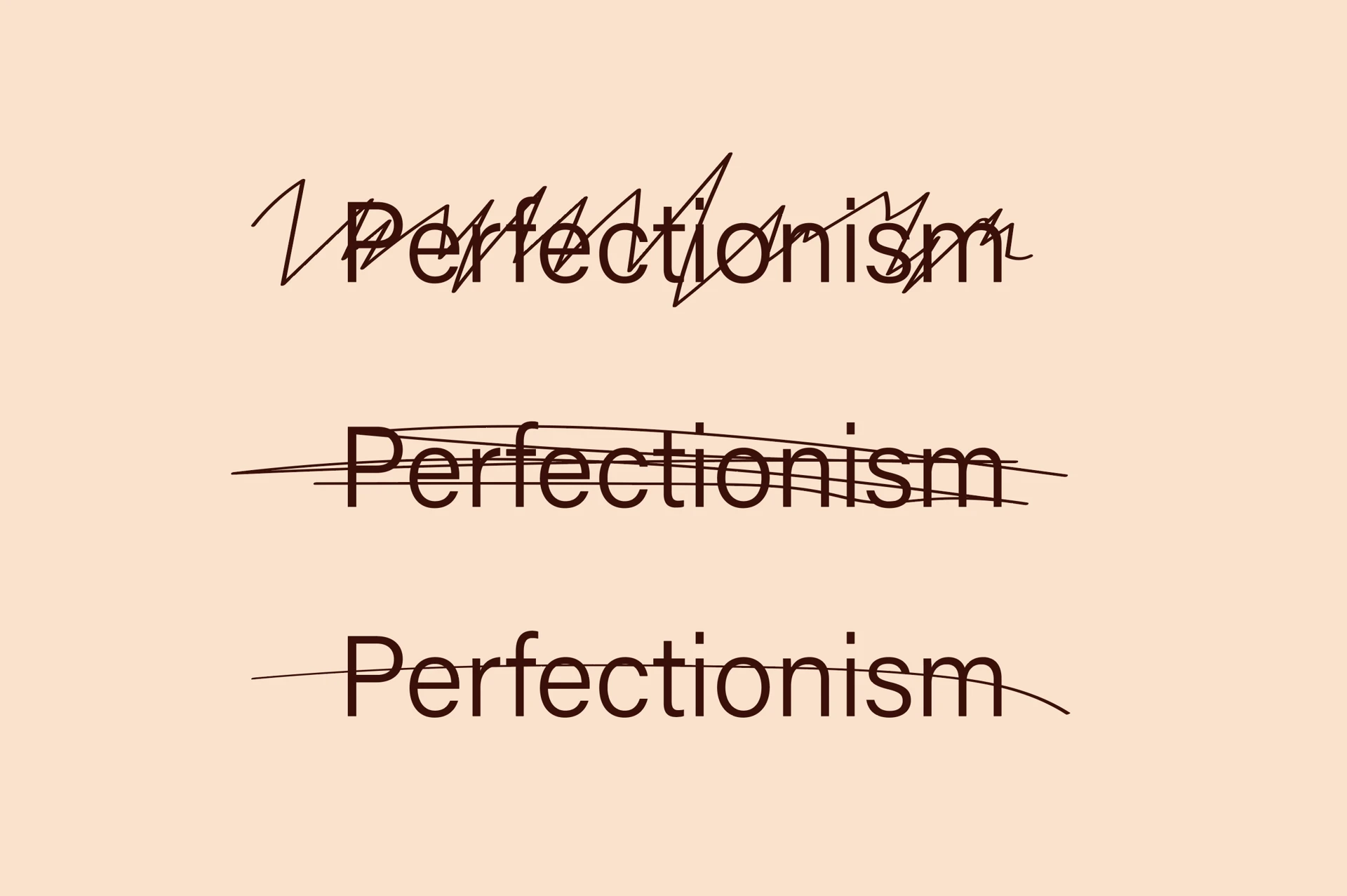
Although perfectionism can lead to development and recognition, the same endeavour can also create significant distress. It is a complex phenomenon that can function both as a driving force and as a burden.
Through this self-help material, you will receive support with:
- Increasing your understanding of what perfectionism is and how it works
- Tools to create distance from, and challenge, perfectionist thoughts
- Strategies for challenging perfectionist behaviours
- Methods for dealing with self-criticism in a constructive way
- Help in reducing the tendency to overvalue performance as the basis of self-worth
The material consists of the following parts:
- About perfectionism
- A model of perfectionism
- Thought patterns – beginning to notice perfectionist thoughts
- Assumptions – is my perfectionism is as helpful as I believe?
- Challenging thoughts – from black-and-white thinking to shades of grey
- What you pay attention to – dismissing and attributing
- Safety behaviours and avoidance – letting go of safety nets and daring to challenge yourself
- Self-compassion – treating yourself as you would a close friend
- Self-worth – reducing the overvaluation of performance
It’s important to emphasise that you don’t need to work through all the parts. Some sections will feel relevant to you, others may not. Perfectionism can take different forms in different people. Although there may be shared patterns, not everyone struggles with the same aspects.
You may find it helpful to begin with the first two parts to gain a basic understanding. If you then come across sections that feel particularly relevant or familiar, focus on those first.
We hope you find this material helpful!