I often feel lonely even when I’m surrounded by people.
As a new study‑abroad student, I constantly find myself comparing myself to others and thinking they’re so much better than me.
Hello
Thank you for contacting us!
Being a new exchange student can be a huge change that contains a lot of uncertainty and many new situations. For some students, settling in is relatively easy, and they don't experience too much stress. But for many, it can feel overwhelming at first,and they may start to doubt the decision to go on an exchange and their own ability to cope. That reaction is completely normal and an expression of losing our footing a little, which we do when we are thrown into a completely new environment.
I don't know if you normally, in your usual environment, tend to compare yourself to others and think that they're better than you, or if you're struggling with this right now because you feel overwhelmed and doubt yourself more than usual. If you have had the same network of friends and family for years, and have not had the need to create new relationships for a long time, it can feel difficult to suddenly not know anyone and have to be sociable and outgoing with people you do not know.
When we feel worried, as I think you do when you categorize others as much better than you, and perhaps wonder if you are good enough in the eyes of others, we get impulses to try to make ourselves more secure – comparing yourself to others can fulfill the function of (seemingly) increasing your sense of control. You may think that if you know in what ways others are better than you, you can try to correct what is not good enough about yourself. Another common reaction to feeling worried around others is to keep an eye on yourself to reduce the risk of making a fool of yourself/being boring/behaving strangely.
The tricky thing about constantly comparing yourself to others is that it rarely leads anywhere or makes you feel sure that you are good enough. Another problem may be that you spend far too much time thinking about what is perceived as problematic, and that it takes your focus away from other things that you could pay attention to.
It is good that you are aware of the fact that you compare yourself a lot with others and that you find this problematic. No matter what the reasons for this are and how long it has been like this, you can actively work on giving it less attention.
One way to move in that direction is to train your attention with the help of mindfulness. There are many guided exercises that are free and that allow you to practice the ability to observe and describe what is going on in the present moment, without judgement. In the long run, this can lead to you being able to more easily refrain from comparing yourself to others, and to get some distance from negative thoughts.
Another way is to do more of other things, that is, at the same time as you give less attention to comparisons and self-critical thoughts, you can engage more in what you are doing at the moment. One example is that when you interact with others, you can direct your focus on what is being said, what you are doing together, and your curiosity and interest in it. Every time self-critical thoughts arise, you can gently remind yourself of where you want your attention to be.
If your negative thoughts have the consequence that they make you more passive or lead to withdrawal from activities you can ask yourself what you would enjoy doing more of if you didn´t feel the need to compare yourself with others this much, and then try to do it regardless of what your negative thoughts suggest you to do.
We have thousands of thoughts every day, and we can't stop them from popping up, but we can get good at refraining from spinning them uncontrollably whenever they turn up. In addition, we may also need to define for ourselves how we want to treat ourselves and what values we want to characterize our relationships.
Examples of this could be that we want to treat ourselves with self-compassion and kindness when life is difficult. When it comes to values in relationships, those can be about finding something beyond performing and being good enough in the eyes of others – examples can be to experience fellowship/respect and feel respected/rely on others/have fun/be able to be who you are without pretending, etc. This can affect your inner dialogue and help you redirect your attention when you're feeling self-critical.
I hope you have a nice stay in Sweden and that you will feel a bit different in a while! If you feel the need to talk to a counselor, you can reach out to your local Student health services.
Kind regards,
Licensed psychologist
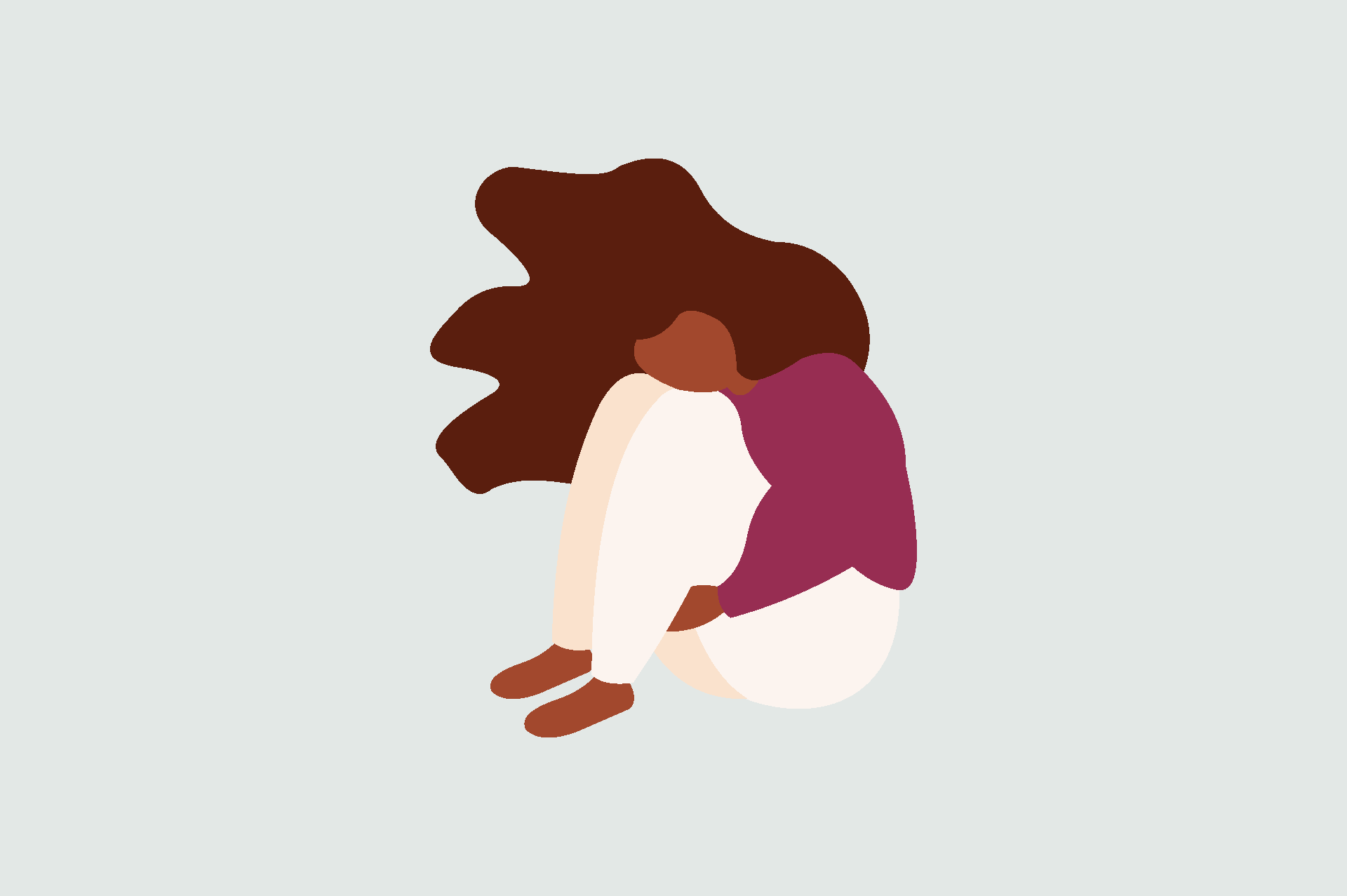
Unwanted loneliness
Feeling lonely from time to time is completely normal, but partly or entirely lacking social relationships when we long for them is painful and can be difficult to manage Even if it feels hopeless, and no matter what has led to your loneliness, there are often things you can do to influence your situation.